Rick Mears at a Glance
- Net Worth: $20 Million
- Birthdate: December 3, 1951
- Birthplace: Wichita, Kansas
- Nationality: American
- Profession: Retired Race Car Driver, Team Penske Consultant
Table of Contents
What is Rick Mears’ Net Worth?
Rick Mears possesses a net worth of $20 million. His fortune stems primarily from a dominant racing career in the late 1970s through the early 1990s, combined with a lucrative, decades-long tenure as a senior advisor for Team Penske. Unlike many athletes who rely solely on competition earnings, Mears transitioned immediately from the cockpit to a corporate advisory role, securing continuous high-level income well past his retirement from driving.
During his active years, Mears set the financial standard for American open-wheel racing. He was the first driver in IndyCar history to surpass $10 million in career earnings—a milestone he reached in 1991. Adjusted for inflation, his prize money alone would be worth significantly more in today’s economy. This wealth was bolstered by major endorsement deals with iconic brands such as Pennzoil, Marlboro, and Miller Beer, which were staples of the sport’s most commercially successful era.
Team Penske Salary
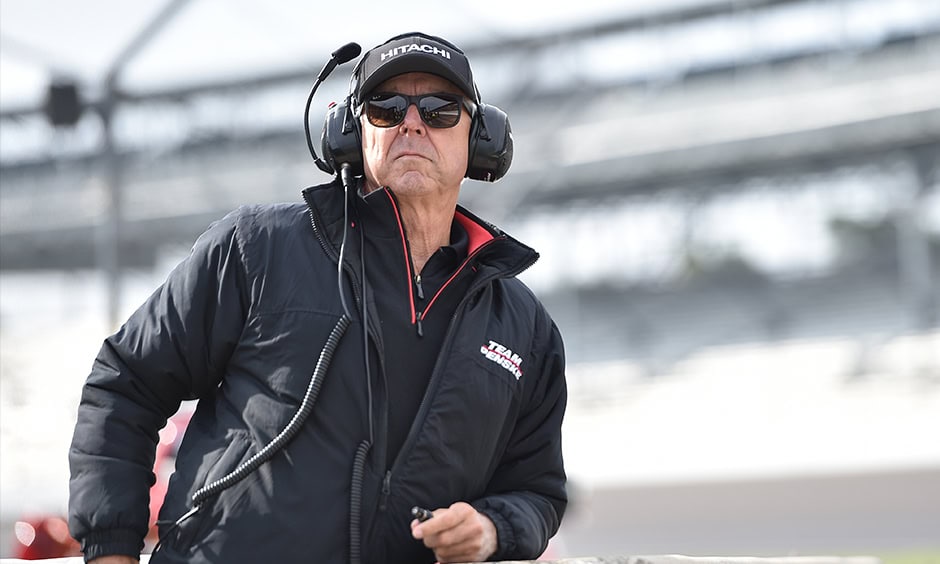
Since retiring from driving in 1992, Mears has maintained a paid position as a consultant and driving coach for Team Penske. This role goes beyond ceremonial appearances; Mears serves as a spotter and technical advisor for the team’s current roster, including champions like Will Power and Josef Newgarden. This uninterrupted employment with the most successful team in IndyCar history provides a steady annual salary that has preserved and grown his net worth over the last three decades.
Early Life
Born in Wichita, Kansas, Rick Ravon Mears moved to Bakersfield, California, as a child, a relocation that placed him in the heart of the West Coast off-road racing scene. He grew up in a family deeply embedded in motorsport; his father was an amateur racer, and Mears spent his youth working on buggies and motorcycles alongside his brother, Roger Mears.
He did not follow the traditional path of karting to formula cars. Instead, Mears cut his teeth in desert racing, competing in grueling off-road events across California and Mexico. This unconventional background honed his car control and ability to preserve equipment—skills that later defined his smooth, precise driving style in IndyCar. His transition to pavement began when he was discovered by Bill Simpson, a safety equipment pioneer who gave Mears his first opportunity to drive an open-wheel car in the mid-1970s.
Career
Rick Mears’ ascent to the pinnacle of motorsport was rapid and decisive. After showing flashes of brilliance in lower-tier equipment, he caught the eye of Roger Penske in 1978. Penske, known for identifying exceptional talent, offered Mears a part-time ride that quickly evolved into a full-time seat. In his first full season with the team in 1979, Mears silenced doubters by winning his first Indianapolis 500 and capturing the CART championship.
Throughout the 1980s, Mears established himself as the dominant force on ovals. He earned the nickname “The Rocket” for his unparalleled qualifying speed, eventually setting the record for the most pole positions in Indianapolis 500 history with six. His driving style was characterized by patience and surgical precision; he rarely abused his machinery, allowing him to strike in the final stages of long races. This approach led to three CART titles (1979, 1981, 1982) and made him the man to beat every May at the Brickyard.
His career faced a major challenge in 1984 when a devastating crash at Sanair Super Speedway in Quebec resulted in severe injuries to his feet. Mears underwent extensive surgeries and rehabilitation but returned to the cockpit to win the Indianapolis 500 two more times—in 1988 and 1991. His 1991 victory is considered one of the greatest in history, featuring a daring outside pass on Michael Andretti in the closing laps.
Mears retired abruptly at the end of 1992 following persistent pain from his previous injuries and a realization that his desire to push the limits had waned. He left the sport with 29 IndyCar wins and a reputation as the “King of the Speedways.” Post-retirement, he seamlessly integrated into the management side of Team Penske, where his insights have helped the organization secure nearly a dozen additional Indianapolis 500 victories.
Real Estate
Mears resides in Jupiter, Florida, a wealthy enclave known for attracting professional golfers and motorsport legends. His residence is situated in a private community that offers access to exclusive amenities and deep-water docking, reflecting his long-standing financial success. Florida has been his primary base for many years, providing a tax-friendly environment that further protects the earnings accumulated during his racing career.
Personal Life
Mears is the patriarch of a racing family that extends beyond his own achievements. His brother, Roger Mears, was a successful off-road and IndyCar racer, and his nephew, Casey Mears, enjoyed a long career in NASCAR. Rick’s son, Clint Mears, also pursued racing, competing in the Indy Lights series and NASCAR developmental tours.
Despite his legendary status, Mears is known for his humility and low profile. He avoids the celebrity spotlight, preferring to focus on his advisory work and personal hobbies. He remains a revered figure in the paddock, often seen on the spotters’ stand at Indianapolis, guiding the next generation of drivers with the same calm demeanor that defined his driving days.